famıana

Kids & Teens

From first steps to first phones.

Children change fast and the questions change with them. This section follows them from the playground to the group chat: free time, school life, learning at home, the apps worth having, gaming without the arguments and sport that sticks.

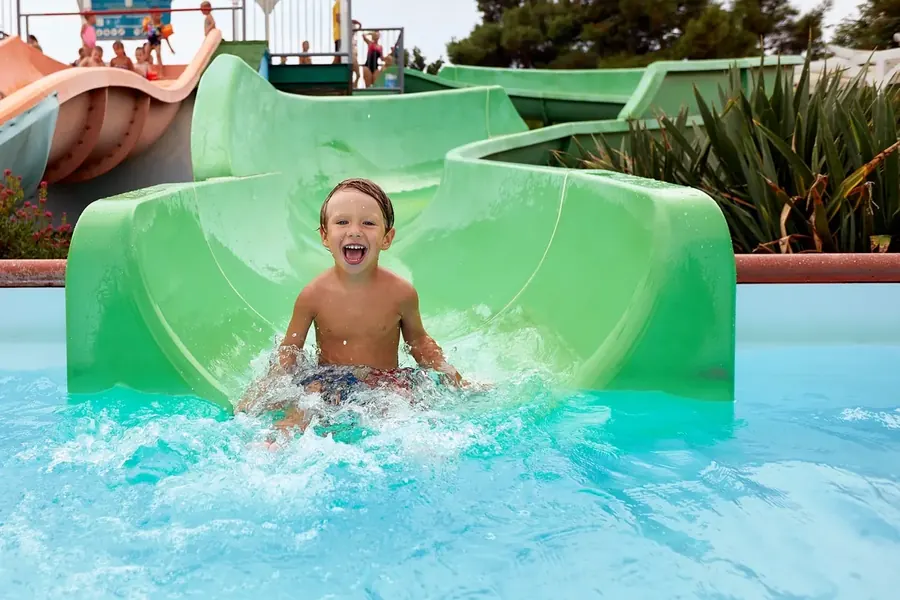
Boy laughing as he splashes down a green water slide
Water park, Sa Coma
Interactive

Screen time balance

See how a day of screens compares with sleep, school and play.

Free time

Top

Unstructured time is not wasted time. Children who get bored invent games, build things and learn to manage themselves. The parents job is to protect a few empty hours a week, offer materials and space, and resist filling every afternoon with a class.

Good to know

  • Aim for at least one afternoon a week with nothing scheduled.
  • A box of cardboard, tape and scissors keeps most under tens busy for an hour.
  • Outdoor play in any weather: the right jacket beats the right app.

Guides in the works

  • The case for boredom: why a slow afternoon is good for childrensoon
  • Fifty things to do at home that need no screen and almost no moneysoon
  • Playdates without the drama: a short guide for hosts and guestssoon
Tell me when they land

School

Top

Starting school, changing school, homework fights and the parents evening you dread: school shapes family life for a decade or more. We cover the transitions, the daily routine and how to talk to teachers so that everyone is on the same side.

Good to know

  • Set a homework time and place, not a homework battle. Same table, same slot, snack first.
  • Ask the teacher one specific question per term instead of "how is she doing".
  • Sleep beats revision. A tired child learns little, however long the session.

Guides in the works

  • Starting school: a countdown for the summer beforesoon
  • Moving country mid school year: what helps children settlesoon
  • Homework routines that survive a busy weeksoon
Tell me when they land

Learning

Top

Learning happens at the kitchen table, in the car and in the supermarket as much as in class. Reading aloud, counting change, cooking from a recipe and arguing about a map are all lessons. This is the practical side of learning at home, without turning your living room into a classroom.

Good to know

  • Read aloud every day, even to children who can read themselves. Ten minutes is enough.
  • Let children see you get things wrong and fix them. That is the lesson.
  • One language at home, another at school works fine. Keep them consistent, not separate.

Guides in the works

  • Raising bilingual children in Spain: what parents actually dosoon
  • Maths in daily life: shopping, baking and the football tablesoon
  • Reading routines for reluctant readerssoon
Tell me when they land

Apps

Top

There are good apps for children. There are also thousands of bad ones dressed up as education. We look at the ones that respect attention, work offline, do not sell data and are still worth opening after the first week. Age bands, price and what the app actually does.

Good to know

  • Prefer apps with a one time price over free apps with in app purchases.
  • Check whether the app works in flight mode. If it does not, ask why it needs the internet.
  • Sit with a new app for the first ten minutes. You will see what it is really for.

Guides in the works

  • Twelve apps for under sixes that are actually worth the downloadsoon
  • Learning apps for teenagers: languages, maths and revisionsoon
  • Parental controls explained for iOS and Androidsoon
Tell me when they land

Gaming

Top

Video games are the shared culture of a generation and a source of most family arguments after eight in the evening. Understanding what your child plays, who they play with and why stopping mid match is so hard helps far more than a blanket ban.

Good to know

  • Learn the names of two games your child plays and ask one real question about them.
  • Agree stopping points by match or level, not by clock. It works with the game instead of against it.
  • Consoles in shared rooms, not bedrooms, until well into the teens.

Guides in the works

  • Age ratings decoded: PEGI, what they mean and where they failsoon
  • Gaming with friends online: safety settings that mattersoon
  • The family gaming night: games that work for six year olds and parentssoon
Tell me when they land

Sport

Top

The best sport for your child is the one they still want to do in March. Team or solo, club or casual, the aim is a habit of moving that lasts into adult life. We cover choosing a sport, what clubs cost, how much is too much and what to do when a child wants to quit.

Good to know

  • Try three sports for a term each before committing to a club.
  • Two sessions a week is plenty under twelve. More is for the parents.
  • Let them quit at the end of a season, never in the middle of one.

Guides in the works

  • Which sport suits which child: a guide by temperament, not talentsoon
  • Sports clubs in Spain: how the system works for foreign familiessoon
  • Swimming: the one sport every child should learn firstsoon
Tell me when they land
Quick answers

Questions parents ask about kids & teens.

How much screen time is reasonable for a child?

Most paediatric bodies suggest no screens under two apart from video calls, up to an hour a day of good content for two to five year olds, and consistent limits with screen free hours for older children. What they watch and whether it replaces sleep, play or exercise matters more than the exact minutes.

At what age should a child get a smartphone?

There is no right age, but many families wait until secondary school and start with a basic phone or strict controls. The question to answer first is what the phone is for: getting home safely, staying in touch with friends, or simply because others have one.

How do I get my teenager to do any sport?

Make it social and low pressure. Climbing walls, skate parks, padel and gym classes with friends work better than a club with fixtures. Teenagers move when moving is where their friends are.

Is it bad if my child plays the same game every day?

Repetition is normal and often how children master something. Watch for the signs that matter: sleep, mood, school and whether they still choose other things when offered. If those are fine, the same game every day is a phase.

The Sunday Note

One email on Sunday. The week planned by Monday.

New guides, the tool of the week and three things to do with the children. Nothing else, no spam, unsubscribe in one click.

By subscribing you agree to our privacy notice.